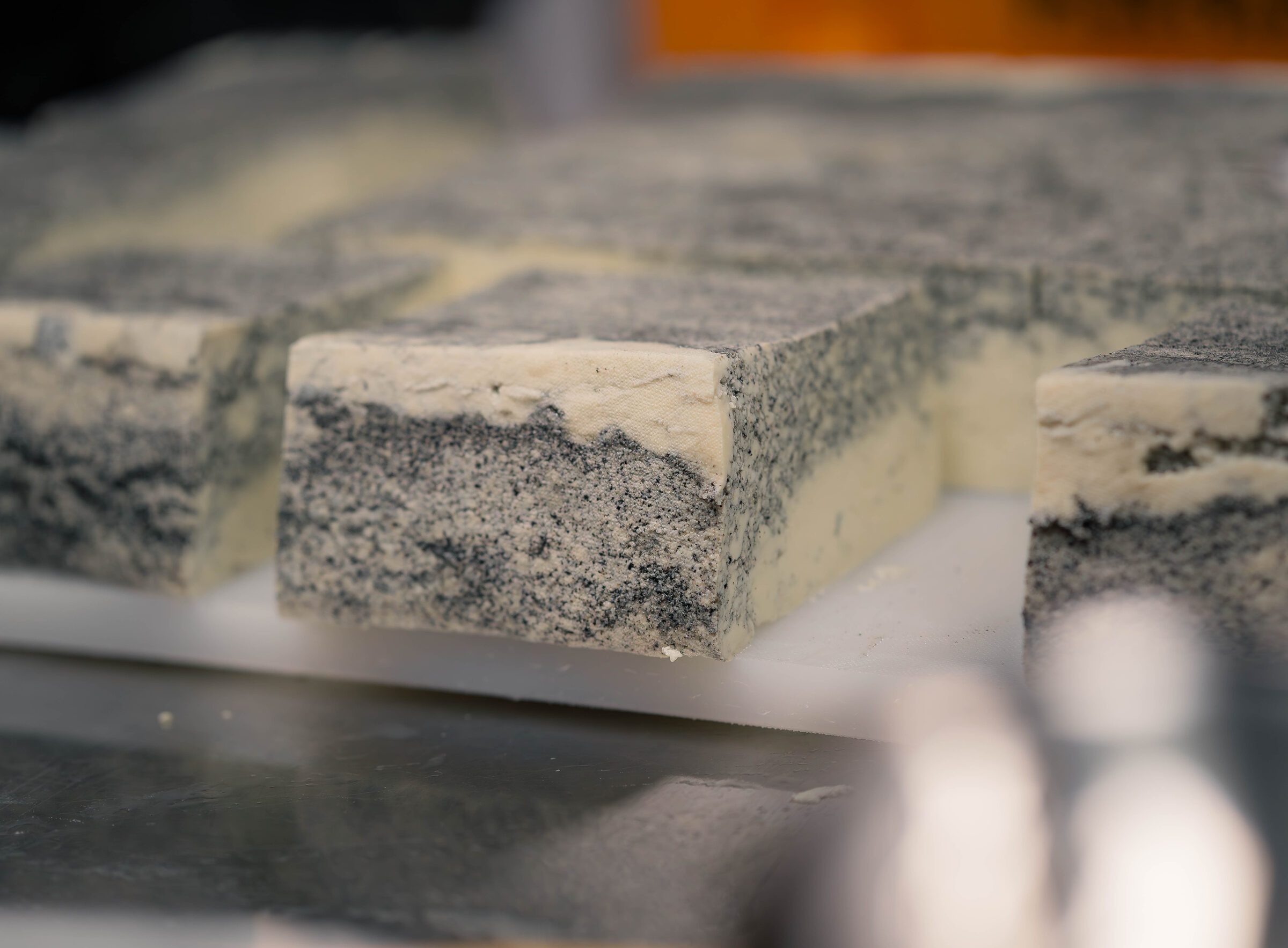
Long before the modern world discovered the idea of a superfood, Korean grandmothers were already serving one. Tofu — dubu (두부) — has nourished families across Korea for more than a thousand years, not because it was trendy, but because it was honest. A bowl of soft tofu is one of the most complete, gentle, and quietly powerful foods you can put on your table. At Dubu Gongbang, we still make ours fresh each morning, and the health benefits of Korean tofu are a story worth telling slowly.
A Complete Plant-Based Protein
Unlike most plant foods, tofu is a complete plant-based protein — it contains all nine essential amino acids that your body cannot produce on its own. A single serving of our soft tofu delivers roughly 8 to 10 grams of clean, easily digestible protein with very little saturated fat. For anyone cutting back on red meat, eating vegetarian, or simply looking for a lighter source of strength, dubu is one of the most efficient choices on the Korean table. It is food that builds you up without weighing you down.
Soy Isoflavones and Heart Health
Tofu is one of the richest natural sources of soy isoflavones — plant compounds studied for decades for their role in supporting cardiovascular wellness and healthy cholesterol levels. Regular consumption of soy foods like tofu has been associated with lower LDL cholesterol, improved arterial flexibility, and better long-term heart health. This is part of why traditional Korean diets, built around tofu, rice, vegetables, and fermented foods, are consistently ranked among the healthiest in the world.
A Surprising Source of Calcium
Few people realize that calcium-set tofu can rival a glass of milk ounce for ounce. During the traditional Korean tofu-making process, a natural coagulant is used to firm the soy milk into curds, and in that step the tofu absorbs significant calcium. Paired with the magnesium and iron naturally present in soybeans, dubu quietly supports bone density, muscle function, and healthy blood — especially important as we age. It is no accident that Korean elders have eaten tofu daily for generations.
Gentle on the Stomach, Kind to the Gut
Soft tofu is one of the easiest proteins for the human body to digest. Its silken texture requires almost no breakdown, making it a traditional recovery food for anyone who is unwell, elderly, post-surgery, or simply eating too quickly through modern life. When paired with the fermented banchan served at Dubu Gongbang — kimchi, pickled radish, seasoned greens — the combination supports gut health in a way few other meals can match. A warm stone pot of soon dubu is, in many ways, a form of Korean medicine.
Low in Calories, High in Satisfaction
Perhaps the most underrated health benefit of tofu is how satisfying it is for so few calories. A generous portion of soft tofu typically contains fewer than 150 calories, yet the protein and natural fats keep hunger quiet for hours. This is why dubu has always been a cornerstone of Korean wellness cuisine — a food that respects your body's signals rather than overwhelming them. It is a rare thing in modern eating: nourishment without excess.
Why Fresh Tofu Matters
Not all tofu is created equal. The mass-produced blocks sold in most grocery stores are often days or weeks old, with a flat, slightly sour taste that masks the bean's natural sweetness. At Dubu Gongbang, we grind organic non-GMO soybeans from Jeju Island, boil the milk, and press fresh tofu every single morning in our Duluth kitchen. The flavor is clean. The texture is silken. And the nutritional integrity — the isoflavones, the amino acids, the living character of the soybean — arrives at your table the way it was meant to. This is the quiet superfood in its truest form, and we would love to share a bowl with you.